Meowork Felt - Felt Products Manufacturer Wholesaler & Exporter

Felt Product Export Guide: Compliance for Importers

Your Guide to Felt Product Export Compliance

Sourcing handmade felt products from Nepal offers a unique opportunity to bring ethically crafted, high-quality goods to your customers. As a leading manufacturer and exporter, Meowork Felt is dedicated to ensuring this process is seamless for our partners. However, navigating the complexities of international trade requires a firm understanding of export compliance—from product size and labeling to packaging and documentation.

A single misstep can lead to costly delays, customs seizures, or even legal penalties. For businesses, this translates to lost revenue and damaged reputations. That’s why a robust compliance strategy is essential for a smooth and successful import experience.

This guide provides a comprehensive overview of the key export requirements for felt products. We’ll cover everything you need to know to ensure your shipments from Nepal arrive safely and in full compliance with international standards. By following these guidelines, you can confidently grow your business with beautiful, handmade felt goods.

An Overview of Meowork Felt Products

At Meowork Felt, we specialize in creating a diverse range of eco-friendly, handmade felt items. Based in Kathmandu, our facility is one of the largest in Nepal’s felt industry, with over 500 skilled artisans producing beautiful products for a global market. Our commitment to quality starts with our primary material: 100% pure New Zealand wool, renowned for its softness, durability, and vibrant color absorption.

Our product line includes:

  • Home Décor: Items like felt ball rugs, trivets, coasters, and chair pads that add a touch of warmth and color to any space.
  • Pet Products: Our popular felt cat caves and pet toys are designed for comfort and play, providing a safe and cozy retreat for furry friends.
  • Felt Ornaments: Intricately designed decorations for holidays and special occasions.
  • Bags and Accessories: Stylish and durable felt bags that combine traditional craftsmanship with modern aesthetics.

Every item we produce is a testament to the skill of our artisans and our dedication to ethical, sustainable manufacturing.

Size and Dimensions: Getting It Right

Accurate size and dimension specifications are a fundamental aspect of the Nepal felt export process. Incorrect measurements can lead to issues with customs, shipping, and ultimately, customer satisfaction.

Standard Size Requirements

While many felt products have standard dimensions (e.g., coasters, trivets), there are no universal, legally mandated sizes for most felt goods. However, importers must ensure that the declared dimensions on all felt product documentation are precise. This accuracy is crucial for calculating shipping costs, customs duties, and ensuring the product fits its intended use.

Customization and Verification

We understand that many brands have unique needs. At Meowork Felt, we offer fully customizable products with low minimum order quantities (MOQs). When placing a custom order, it’s vital to provide detailed size specifications. Our team works closely with clients to verify these dimensions before production begins. Once produced, each batch undergoes a quality control check where product sizes are measured to ensure they meet the agreed-upon specifications, guaranteeing consistency across your entire order.

Labeling Requirements for Felt Products

Proper labeling is one of the most critical felt export requirements. Labels inform consumers, protect their safety, and ensure compliance with the laws of the importing country. A non-compliant label can result in your entire shipment being rejected at the border.

Key Information for Labels

Most international markets require labels to include:

  • Country of Origin: Clearly stating “Made in Nepal.”
  • Material Composition: For our products, this is “100% New Zealand Wool.”
  • Care Instructions: Simple, universally understood symbols or text explaining how to clean and maintain the product.

For example, a compliant felt cat toy would be correctly labeled with its origin, material, and any relevant care instructions in English and the language of the destination country. It would also include warning labels if small parts pose a choking hazard.

In contrast, a non-compliant set of felt coasters might be missing the country of origin, lack care instructions, and use incorrect material composition information. This oversight would violate labeling laws in most major markets.

Regional Labeling Standards

Compliance varies by region. Here’s a brief overview of what to expect in key markets:

  • North America (USA & Canada): Products must comply with the Textile Fiber Products Identification Act (TFPIA), which governs the labeling of material content. For items like pet toys, Consumer Product Safety Improvement Act (CPSIA) regulations may also apply, requiring tracking labels and safety warnings.
  • European Union (EU): Labels must be accurate and not misleading. For certain products, a CE mark is required to show conformity with health, safety, and environmental standards. All materials must also comply with REACH regulations, which restrict harmful chemicals.
  • Australia & New Zealand: The Australian Consumer Law (ACL) mandates that products are safe and that labels are truthful. Country of origin labeling is strictly enforced.
  • Japan: The Japan Industrial Standards (JIS) for textiles set out specific requirements for fiber composition and care labels.

Packaging Guidelines for Safe Transit

Effective packaging protects your products, facilitates smooth shipping, and meets regulatory standards. Your felt packaging standards should address both protection and compliance.

Protective and Sustainable Materials

Felt products, while durable, are susceptible to moisture, pests, and compression during transit. We use protective materials like high-quality poly bags and sturdy cardboard cartons to prevent damage. We also offer sustainable packaging options, such as recyclable plastics and biodegradable materials, to help our partners meet their environmental goals.

For instance, a compliant shipment of felt rugs would be packaged individually to protect them from dirt and moisture, with the exterior of the bulk carton clearly marked with dimensions, weight, and the correct HS tariff code. A non-compliant example would be felt bags shipped without proper documentation, such as a commercial invoice or packing list, and failing to meet the importing country’s fumigation requirements.

Dimensions and Weight

Accurate weight and dimension information on the outer packaging is mandatory for all international felt shipping rules. This data is used by carriers to calculate freight costs and by customs officials to verify the shipment’s contents. Any discrepancies can lead to delays and additional fees.

Upholding Global Compliance Standards

Meowork Felt is committed to the highest standards of quality and ethical production. Our certifications are a cornerstone of our promise to our clients.

  • ISO 9001:2015 Certification: This demonstrates our commitment to a systematic approach to quality management, ensuring consistent production and reliable delivery.
  • SEDEX Audit: As a SEDEX-audited company, we adhere to ethical trade practices, ensuring a safe and empowering workplace for our 500+ artisans.
  • Fair Trade Practices: We are dedicated to fair trade principles, which means fair wages, safe working conditions, and a commitment to the well-being of our community.

These certifications provide our partners with the assurance that they are sourcing products that are not only high-quality but also ethically and responsibly made.

Your Partner in Export Compliance

Navigating the world of felt product compliance can seem daunting, but you don’t have to do it alone. Meowork Felt is more than just a manufacturer; we are your partner in bringing handmade Nepalese crafts to the world. We provide support with felt product documentation and work with you to ensure your orders meet the specific requirements of your market.

If you are looking for a reliable, transparent, and experienced partner for your felt product business, we invite you to connect with us. Let’s work together to build your brand with beautiful, ethically made products from Nepal.

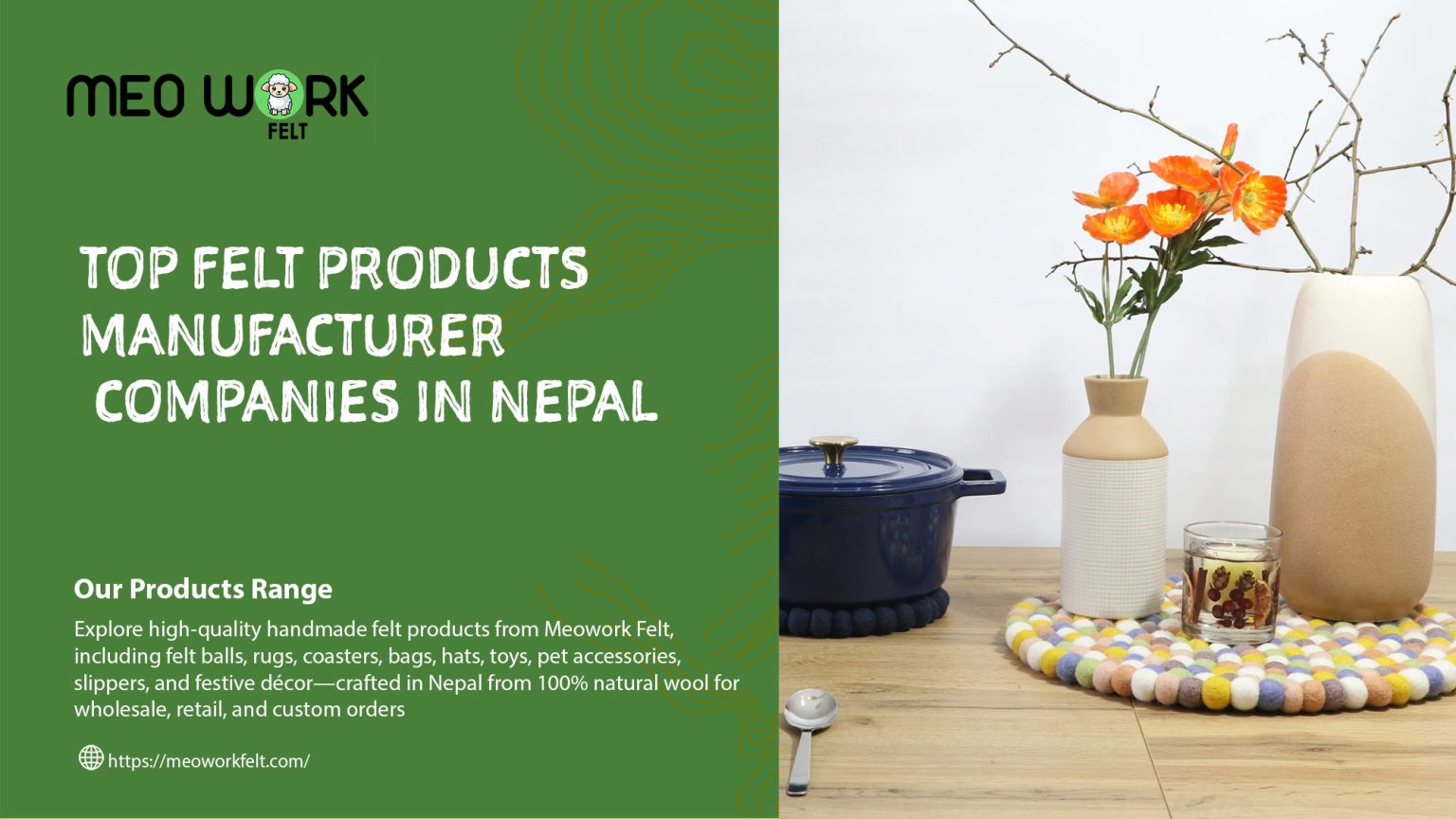
Top Felt Products Manufacturer Companies in Nepal: Quality Guide

Felt products have surged in popularity across global markets, driven by increasing consumer demand for sustainable, handmade items that combine functionality with artistic craftsmanship. From decorative home accessories to children’s toys and fashion statements, felt products offer versatility that appeals to environmentally conscious consumers and businesses seeking unique offerings.

Nepal has emerged as a premier destination for sourcing high-quality felt products, leveraging centuries-old traditions combined with modern manufacturing capabilities. The country’s felt industry contributes approximately 3% of Nepal’s total exports, establishing it as a significant player in the global marketplace. With the felt products market projected to grow at a CAGR of 4.5% from 2023 to 2028, understanding which manufacturers deliver exceptional quality becomes crucial for businesses and retailers.

This comprehensive guide explores Nepal’s top felt products manufacturer companies, examining their strengths, specializations, and unique value propositions. We’ll analyze key factors that distinguish leading manufacturers and provide insights into successful collaborations that have shaped the industry landscape.

Why Nepal Dominates Felt Production

Nepal’s dominance in felt manufacturing stems from several interconnected advantages that create an ideal ecosystem for producing exceptional felt products. The country’s mountainous terrain provides access to high-quality wool from local sheep and yaks, forming the foundation for superior felt products.

Generations of artisans have perfected traditional felt-making techniques, passing down knowledge that ensures authentic craftsmanship. This expertise, combined with modern manufacturing capabilities, enables Nepali companies to produce both traditional designs and contemporary innovations that meet international standards.

The cost advantage Nepal offers remains significant without compromising quality. Lower operational costs, combined with skilled labor, allow manufacturers to provide competitive pricing while maintaining fair working conditions for artisans.

Key Factors for Choosing a Felt Products Manufacturer

Selecting the right felt products manufacturer requires careful evaluation of multiple criteria that directly impact product quality, business relationships, and long-term success.

Quality Control Standards represent the most critical factor. Leading manufacturers implement stringent quality control measures at every production stage, from raw material selection to final packaging. This ensures consistency and durability across all products.

Customization Capabilities determine how well a manufacturer can meet specific client requirements. The best companies offer design flexibility, allowing businesses to create unique products that differentiate their offerings in competitive markets.

Ethical and Sustainable Practices have become non-negotiable for many businesses and consumers. Manufacturers committed to fair trade principles, environmental sustainability, and community development provide added value that resonates with conscious consumers.

Export Experience and Logistics capabilities ensure reliable delivery and smooth international transactions. Companies with proven track records in global markets understand regulatory requirements and can navigate complex shipping processes efficiently.

Successful Collaborations and Case Studies

European Retail Chain Partnership

A leading European retail chain approached Meowork Felt to develop an eco-friendly felt toys line for children. The objective required meeting stringent safety standards while maintaining competitive pricing.

Meowork Felt designed and produced a comprehensive range of felt toys using 100% natural wool and non-toxic dyes. The manufacturing process incorporated rigorous testing protocols to ensure compliance with European safety regulations.

The collaboration resulted in commercial success, enhancing the retailer’s brand image as an environmentally responsible company. The felt toys line became a bestseller, driving customer loyalty and generating repeat orders.

Interior Design Firm Collaboration

An architectural firm required custom felt wall panels for a corporate office space, focusing on acoustic improvement and aesthetic appeal. The challenge involved creating sound-absorbing panels with intricate designs that complemented the office’s modern aesthetic.

Meowork Felt crafted unique felt panels incorporating advanced acoustic engineering principles. The panels featured custom patterns that enhanced visual appeal while providing superior sound absorption properties.

The project received exceptional feedback from both the client and office employees. The successful implementation showcased Meowork Felt’s capability to deliver specialized solutions for commercial applications.

Sustainable Fashion Brand Partnership

A prominent fashion brand sought to incorporate felt accessories into their sustainable collection, requiring materials that aligned with their environmental values and design standards.

Meowork Felt supplied high-quality felt accessories, including bags and decorative elements, manufactured from ethically sourced materials. The production process emphasized transparency and traceability throughout the supply chain.

The collaboration elevated the fashion brand’s sustainability credentials, resonating strongly with environmentally conscious consumers. The partnership has continued with expanded product lines and increased order volumes.

Trends and Innovations Shaping the Felt Industry

The felt products industry continues evolving rapidly, driven by changing consumer preferences, technological advancement, and environmental consciousness. Understanding these trends helps businesses make informed sourcing decisions.

Eco-Friendly and Sustainable Materials represent the most significant trend affecting felt manufacturing. Consumers increasingly demand products made from organic and recycled materials, pushing manufacturers to adopt sustainable production methods.

Customization and Personalization have become crucial differentiators in competitive markets. Modern consumers seek bespoke felt items tailored to individual preferences, creating opportunities for manufacturers offering design flexibility.

Technological Integration is transforming traditional felt production processes. Advanced machinery improves efficiency and precision while maintaining handcrafted quality, allowing manufacturers to scale production without compromising artisanal values.

Multifunctional Applications expand felt products beyond traditional uses. Industries such as automotive, construction, and healthcare increasingly utilize felt materials for specialized applications, creating new market opportunities.

Digital Marketing and E-Commerce platforms enable manufacturers to reach global markets directly. Companies leveraging online presence effectively can bypass traditional distribution channels and build stronger customer relationships.

Sustainable Practices in Felt Manufacturing

Sustainability has become a defining characteristic of successful felt products manufacturer companies in Nepal. Leading companies implement comprehensive environmental and social responsibility programs that benefit communities while protecting natural resources.

Raw Material Sourcing emphasizes ethical procurement from local farmers and cooperatives. This approach ensures quality while supporting rural communities and maintaining traditional livestock practices.

Production Processes incorporate water conservation, waste reduction, and energy efficiency measures. Advanced manufacturers utilize renewable energy sources and implement circular economy principles to minimize environmental impact.

Worker Welfare Programs ensure fair wages, safe working conditions, and professional development opportunities. Companies prioritizing employee satisfaction achieve higher productivity and quality standards.

Community Development Initiatives support local infrastructure, education, and healthcare projects. These programs create positive social impact while building strong community relationships.

Tips for Sourcing Felt Products from Nepal

Successfully sourcing felt products from Nepal requires understanding local business practices, cultural considerations, and logistics requirements.

Research and Verification should precede any business relationship. Verify manufacturer certifications, quality standards, and client references to ensure reliability and capability.

Communication Standards must accommodate time zone differences and cultural communication styles. Establish clear channels and response time expectations to maintain project momentum.

Quality Specifications should be detailed and documented comprehensively. Provide samples, technical drawings, and performance requirements to ensure accurate production outcomes.

Logistics Planning requires understanding shipping times, customs procedures, and potential delays. Work with experienced manufacturers who can navigate international shipping complexities efficiently.

Long-term Relationship Building focuses on mutual benefit and continuous improvement. Successful partnerships develop over time through consistent communication and shared goals.

Future Outlook for Nepal’s Felt Industry

Nepal’s felt products manufacturing industry is positioned for continued growth, driven by increasing global demand for sustainable, handmade products. The combination of traditional craftsmanship and modern manufacturing capabilities creates unique competitive advantages.

Market Expansion opportunities exist in emerging economies and specialized applications. As awareness of felt product benefits grows, new markets continue opening for innovative manufacturers.

Technology Integration will enhance production efficiency while maintaining artisanal quality. Companies investing in appropriate technology solutions will gain competitive advantages in cost and quality.

Sustainability Leadership positions Nepali manufacturers favorably as global environmental consciousness increases. Companies demonstrating genuine commitment to sustainable practices will capture growing market segments.

Skills Development programs ensure continued availability of skilled artisans. Investment in training and education maintains Nepal’s competitive advantage in felt manufacturing.

Frequently Asked Questions

What makes Nepali felt products superior to alternatives from other countries?

Nepali felt products combine centuries-old traditional techniques with high-quality local wool, creating products with exceptional durability and authentic craftsmanship. The country’s mountainous climate produces wool with unique characteristics that enhance felt quality.

How can businesses ensure consistent quality when sourcing from Nepal?

Partner with established manufacturers who implement comprehensive quality control systems. Request samples, certifications, and client references. Companies like Meowork Felt provide detailed quality assurance documentation and testing protocols.

What are the typical lead times for felt product orders from Nepal?

Lead times vary based on product complexity and order size. Standard products typically require 2-4 weeks, while customized items may need 6-8 weeks. Experienced manufacturers provide accurate timelines during project planning phases.

How do Nepali felt manufacturers handle international shipping and customs?

Established manufacturers work with experienced freight forwarders and understand international shipping requirements. They provide necessary documentation and can assist with customs procedures to ensure smooth delivery.

Partner with Nepal’s Leading Felt Manufacturer

Nepal’s felt products manufacturing industry offers exceptional opportunities for businesses seeking high-quality, sustainable, and competitively priced felt products. The combination of traditional craftsmanship, modern manufacturing capabilities, and ethical business practices creates unique value propositions.

Meowork Felt stands out among Nepal’s felt products manufacturer companies through its commitment to innovation, sustainability, and customer satisfaction. Their comprehensive approach to customization, quality control, and international service makes them the preferred partner for businesses worldwide.

The future of felt products manufacturing in Nepal looks bright, with continued growth expected across multiple market segments. Companies that establish strong partnerships with leading manufacturers today will benefit from Nepal’s expanding capabilities and growing reputation for excellence.

Ready to discover how Nepal’s premier felt products manufacturer can enhance your business offerings? Contact Meowork Felt today to explore their comprehensive product range and discuss your specific requirements with their expert team.

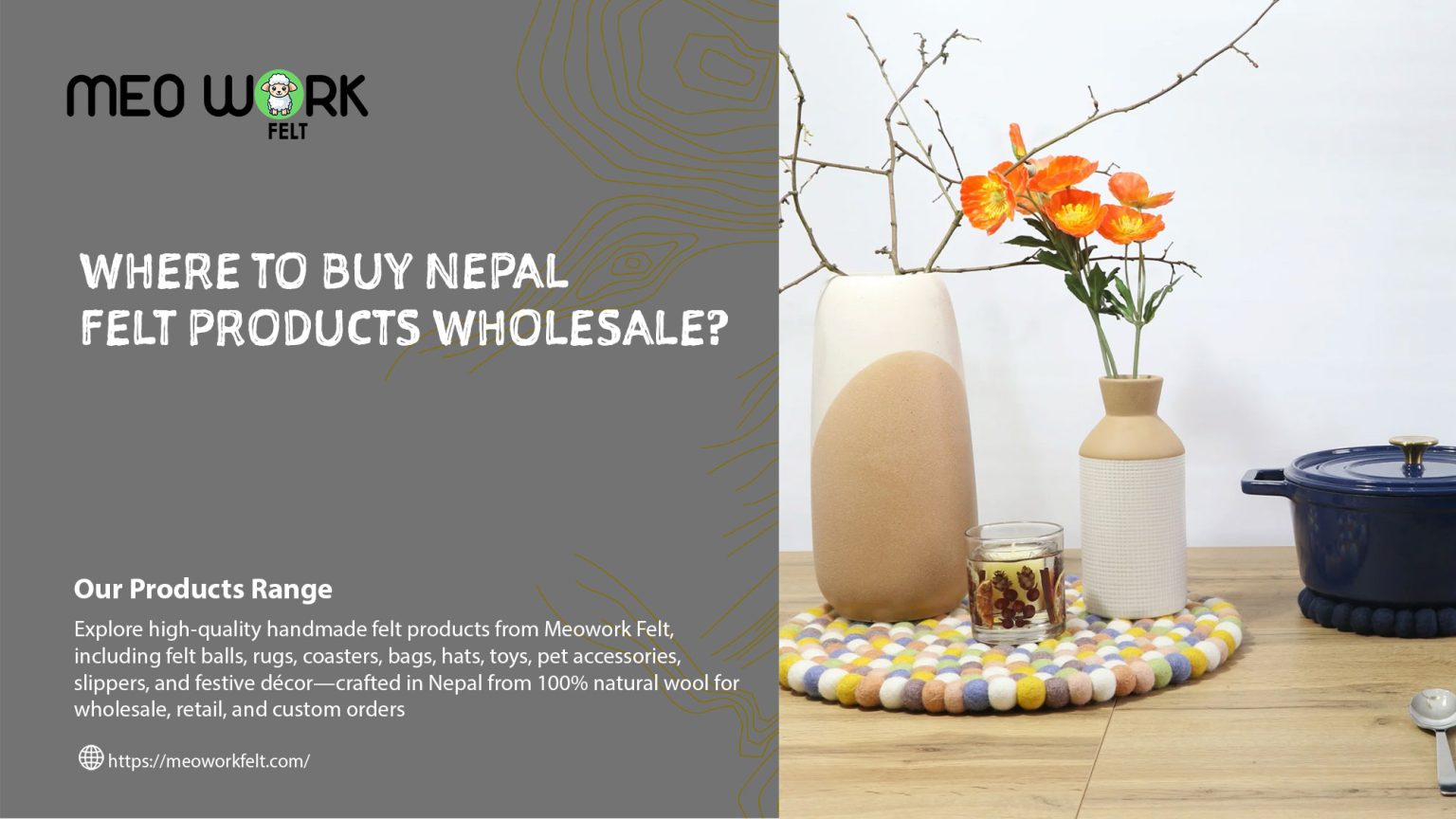
Where to Buy Nepal Felt Products Wholesale: Your Complete Guide

The handmade felt industry has experienced remarkable growth, with Nepal emerging as a global leader in producing high-quality, ethically-sourced felt products. From vibrant ornaments and stylish bags to cozy rugs and playful pet toys, Nepal felt products wholesale offers businesses an opportunity to access authentic, sustainable craftsmanship while supporting local artisan communities.

Finding the right wholesale supplier for Nepal felt products requires careful consideration of quality, ethics, and reliability. With numerous manufacturers claiming to offer authentic Nepali craftsmanship, distinguishing between genuine artisan-made products and mass-produced alternatives becomes crucial for businesses seeking to build lasting relationships with their customers.

This comprehensive guide explores everything you need to know about sourcing Nepal felt products wholesale, from understanding the rich tradition behind these handmade treasures to identifying trusted suppliers who prioritize both quality and ethical manufacturing practices. We’ll also spotlight Meowork Felt, a leading manufacturer that exemplifies the best of Nepal’s felt industry.

What are Nepal Felt Products?

Nepal felt products represent centuries of traditional craftsmanship passed down through generations of skilled artisans. Felt making in Nepal dates back to ancient times when nomadic communities used the technique to create warm, durable materials from animal wool. This traditional craft has evolved into a sophisticated industry that produces everything from decorative items to functional accessories.

The process begins with high-quality wool—typically New Zealand wool for premium products—which undergoes felting through a combination of moisture, heat, and pressure. Skilled artisans, predominantly women in rural Nepal communities, hand-shape this material into intricate designs using techniques that have remained largely unchanged for centuries.

Common types of Nepal felt products include colorful Christmas and seasonal ornaments, fashionable bags and purses, comfortable rugs and floor coverings, entertaining pet toys, decorative home accessories, and artistic wall hangings. Each product showcases the unique aesthetic sensibilities of Nepali culture while meeting modern quality standards.

The eco-friendly nature of felt products makes them increasingly popular among environmentally conscious consumers. Made from natural wool fibers, these products are biodegradable, renewable, and created through sustainable manufacturing processes that minimize environmental impact. The durability of properly made felt ensures products maintain their appearance and functionality for years, reducing the need for frequent replacements.

Why Choose Nepal for Wholesale Felt Products?

Nepal has established itself as the premier destination for wholesale felt items Nepal through a combination of factors that create exceptional value for businesses worldwide. The country’s geographical location in the Himalayas provides ideal conditions for sheep farming, ensuring access to high-quality wool materials. More importantly, Nepal’s rich cultural heritage of textile craftsmanship translates into products that exhibit superior artistry and attention to detail.

Cost-effectiveness represents a significant advantage when you buy felt products in bulk Nepal. The favorable exchange rates, lower labor costs, and established manufacturing infrastructure enable Nepali suppliers to offer competitive pricing without compromising quality. Businesses can achieve substantial savings compared to sourcing from developed countries while accessing products that often surpass international quality standards.

Ethical sourcing stands as perhaps the most compelling reason to choose Nepal felt products exporter companies. The industry provides vital employment opportunities for rural communities, particularly women who might otherwise lack income-generating options. Many suppliers operate under fair trade principles, ensuring artisans receive fair wages and work in safe, supportive environments.

The unique craftsmanship found in handmade felt wholesale Nepal products cannot be replicated by mass production techniques. Each item carries the individual touch of its creator, resulting in slight variations that add character and authenticity. This handmade appeal resonates strongly with modern consumers who value originality and craftsmanship over uniformity.

Key Factors to Consider When Buying Wholesale

Quality of Materials

The foundation of excellent felt products lies in the quality of raw materials used. Premium suppliers utilize 100% New Zealand wool, known for its superior fiber length, strength, and natural lanolin content that provides water resistance. Lower-quality suppliers may use blended materials or inferior wool that results in products with shorter lifespans and less appealing textures.

When evaluating a felt products supplier Nepal, inquire about their wool sourcing practices. Reputable suppliers can provide detailed information about wool origins, processing methods, and quality testing procedures. Request samples to assess the density, color consistency, and overall craftsmanship before committing to large orders.

Ethical Manufacturing

Ethical manufacturing practices have become non-negotiable for many businesses and their customers. Look for suppliers who maintain transparency about their manufacturing processes, worker conditions, and community impact. Certifications from organizations like SEDEX (Supplier Ethical Data Exchange) provide third-party verification of ethical practices.

Visit supplier websites and social media channels to see if they showcase their artisan communities and working conditions. Legitimate ethical manufacturers proudly display their workshops, introduce their craftspeople, and share stories about community development initiatives.

Certifications and Standards

International certifications serve as valuable indicators of supplier reliability and product quality. ISO 9001:2015 certification demonstrates a commitment to quality management systems, while OEKO-TEX standards ensure textile safety and environmental responsibility.

Additionally, look for suppliers who hold export licenses and maintain compliance with international trade regulations. These certifications not only guarantee product quality but also smooth the import process and reduce potential customs complications.

Customization Options

The ability to customize products distinguishes exceptional suppliers from basic manufacturers. Comprehensive customization should include design modifications (shapes, sizes, color combinations), material selections (different wool types, blends), branding opportunities (logos, labels, packaging), and specialized production runs for unique requirements.

Advanced suppliers offer design consultation services, helping businesses create products that align with their brand identity and target market preferences. This collaborative approach ensures final products meet specific business needs while maintaining the authentic Nepali aesthetic.

Shipping and Logistics

Reliable shipping and logistics capabilities are essential for maintaining business operations and customer satisfaction. Evaluate suppliers based on their shipping options (standard, express, custom solutions), delivery timeframes and reliability, international shipping expertise, tracking and communication systems, and packaging quality and customization options.

Experienced Nepal felt products exporter companies understand international shipping requirements and can navigate customs procedures efficiently. They should offer multiple shipping carriers and provide detailed tracking information throughout the delivery process.

Meowork Felt: Your Trusted Partner for Wholesale Nepal Felt Products

Meowork Felt stands as a premier example of excellence in the Nepal felt industry, representing over a decade of commitment to quality, ethics, and customer satisfaction. Based in Kathmandu, this leading felt products manufacturer in Nepal has built a reputation for delivering exceptional handmade products to global markets including the USA, Europe, Japan, and Australia.

What sets Meowork Felt apart is their unwavering commitment to using 100% New Zealand wool, ensuring every product meets the highest quality standards. This premium material choice results in products that are not only beautiful but also durable and long-lasting. The company’s ISO 9001:2015 certification and SEDEX membership provide third-party validation of their quality management systems and ethical manufacturing practices.

The artisan workforce at Meowork Felt consists primarily of skilled women from local communities who work in safe, empowering environments. This approach not only produces superior products but also contributes to community development and women’s economic empowerment in Nepal. Each artisan brings years of traditional knowledge combined with modern quality standards to create products that satisfy international markets.

Meowork Felt’s product range encompasses everything from festive ornaments and home décor items to practical bags and pet accessories. Their manufacturing capabilities support both standard product lines and fully customized solutions, making them an ideal partner for businesses with specific requirements or unique design visions.

The company’s global shipping network ensures reliable delivery to international markets, with partnerships established with reputable courier services. Their experience in international trade translates to smooth customs clearance and predictable delivery schedules that businesses can rely upon for their operations.

Product Range and Customization Options

Meowork Felt’s extensive product catalog demonstrates the versatility and creativity possible with handmade felt wholesale Nepal manufacturing. Their ornament collection features seasonal decorations, holiday themes, cultural motifs, and custom designs that bring color and joy to any space. These products prove particularly popular with retailers during holiday seasons and special events.

The bag and accessory line includes functional purses and totes, decorative storage solutions, fashion accessories, and promotional items that can be customized with business branding. These products appeal to environmentally conscious consumers seeking alternatives to synthetic materials.

Home décor offerings encompass comfortable floor rugs, decorative wall hangings, table accessories, and seasonal decorations that add warmth and character to living spaces. The natural texture and vibrant colors of felt make these items particularly appealing for modern interior design trends that emphasize natural materials and handmade elements.

Pet owners represent a growing market segment for bulk felt balls Nepal products. Meowork Felt produces engaging pet toys, comfortable bedding accessories, interactive play items, and training aids that combine fun with functionality. The natural wool material is safe for pets and provides engaging textures that stimulate play and exercise.

Customization capabilities extend far beyond simple color changes. Businesses can work with Meowork Felt to develop completely new product designs, incorporate specific branding elements, adapt products for particular market segments, and create exclusive items that differentiate their offerings from competitors.

Pricing and Minimum Order Quantities

Meowork Felt structures their wholesale wool felt Nepal pricing to accommodate businesses of all sizes, from small boutiques testing new product lines to large corporations requiring extensive customization and bulk quantities. Their tiered pricing system rewards larger orders while maintaining accessibility for smaller businesses.

The Entry Level tier requires a minimum order of $500 and offers a 10% discount off retail prices. This tier suits small retailers, boutique shops, and businesses exploring the felt product market for the first time. The relatively low entry barrier allows businesses to test market response without significant financial risk.

Standard Wholesale requires a $1,500 minimum order and provides a 20% discount off retail pricing. This level targets established businesses with regular customer bases who can move inventory consistently. The pricing structure supports healthy profit margins while offering customers competitive retail prices.

Premium Partner status begins at $5,000 minimum orders and includes a 30% discount along with priority processing, custom design options, and exclusive access to new product previews. This tier benefits medium to large retailers with established distribution networks and the ability to move substantial inventory volumes.

Enterprise Solutions start at $10,000 minimum orders with negotiable discounts up to 40% off retail prices. Enterprise customers receive fully customized products and packaging, dedicated account management, and extended payment terms. This level serves large corporations, major retailers, and businesses requiring extensive customization or white-label solutions.

Shipping and Delivery Options

International shipping capabilities represent a crucial factor when selecting a Nepal felt crafts wholesale supplier. Meowork Felt has developed comprehensive shipping solutions that balance cost, speed, and reliability to meet diverse business needs across global markets.

Standard shipping provides the most economical option with delivery times typically ranging from 7-14 business days, depending on destination. This option works well for businesses with predictable inventory cycles and advance planning capabilities. The cost savings allow businesses to maintain competitive pricing while ensuring adequate profit margins.

Express shipping ensures delivery within 3-5 business days for time-sensitive orders or businesses with rapid inventory turnover. While more expensive than standard shipping, express options prevent stockouts and maintain customer satisfaction during peak sales periods or unexpected demand surges.

Custom shipping solutions address unique requirements such as consolidated shipments, specific carrier preferences, or special handling requirements. Large orders may benefit from freight shipping options that reduce per-unit shipping costs while accommodating substantial inventory replenishment needs.

All shipments include real-time tracking capabilities that allow businesses to monitor their orders from Meowork Felt’s warehouse to final delivery. This transparency enables better inventory planning and customer communication, particularly important for businesses operating on tight timelines or serving demanding customers.

International shipping expertise ensures compliance with customs regulations, proper documentation, and efficient clearance procedures. Meowork Felt’s experience with global markets means they understand the specific requirements for different countries and can advise customers on potential issues or delays.

Ensuring Quality and Ethical Sourcing

Verifying quality and ethical practices requires active engagement with potential suppliers beyond simply reviewing their marketing materials. Successful businesses develop systematic approaches to supplier evaluation that protect their reputation and ensure customer satisfaction.

Start by requesting detailed information about manufacturing processes, including wool sourcing, production techniques, quality control procedures, and worker conditions. Legitimate suppliers readily provide this information and often welcome opportunities to showcase their operations and community impact.

Ask specific questions about certifications and their renewal status. Certifications expire and require regular audits to maintain validity. Current certifications indicate ongoing commitment to standards, while expired certifications may signal declining attention to quality or ethical practices.

Request references from other international customers, particularly businesses similar in size and requirements to your operation. Speaking directly with existing customers provides insights into supplier reliability, communication quality, and problem resolution capabilities that marketing materials cannot convey.

Consider virtual or in-person facility visits when dealing with significant volume commitments. Many suppliers offer virtual tours via video conferencing, allowing you to see production facilities, meet key personnel, and observe manufacturing processes firsthand.

Third-party audits provide additional verification of supplier claims. Organizations like SGS, Bureau Veritas, and Intertek offer independent assessments of manufacturing facilities, quality systems, and ethical practices. While these audits represent additional costs, they provide valuable peace of mind for substantial business relationships.

Frequently Asked Questions About Nepal Felt Products Wholesale

What types of felt products does Meowork Felt offer for wholesale?

Meowork Felt offers an extensive range including ornaments, bags, rugs, pet toys, home décor items, and custom products. All items are crafted from 100% New Zealand wool by skilled artisans in Nepal.

What are the minimum order quantities for wholesale orders?

Minimum order quantities vary by pricing tier. The Entry Level starts at $500, Standard Wholesale at $1,500, Premium Partner at $5,000, and Enterprise Solutions at $10,000+.

Can I customize my wholesale order?

Yes, Meowork Felt offers extensive customization including shapes, sizes, colors, designs, branding options, and packaging solutions to meet specific business requirements.

How does Meowork Felt ensure ethical sourcing and fair labor practices?

Meowork Felt maintains ISO 9001:2015 certification and SEDEX membership, ensuring ethical manufacturing. They employ skilled local artisans, primarily women, in safe working environments with fair wages.

What shipping options are available?

Shipping options include standard delivery (7-14 business days), express shipping (3-5 business days), and custom shipping solutions for special requirements, all with real-time tracking.

What guarantees does Meowork Felt offer?

Meowork Felt provides quality guarantees ensuring products meet high standards, ethical sourcing guarantees supporting fair labor practices, and satisfaction guarantees with return or exchange options.

Can I get samples before placing a bulk order?

Yes, samples are available to ensure products meet expectations before committing to larger orders. Contact their team to discuss sample availability and associated costs.

How do I place a wholesale order?

Visit their website to explore the product catalog, contact customer service for personalized quotes, or download their wholesale catalog. Their team guides customers through the entire ordering process.

How to Place a Wholesale Order with Meowork Felt

Placing a wholesale order with Meowork Felt follows a straightforward process designed to ensure customer satisfaction and successful business partnerships. The journey begins with exploring their comprehensive online catalog, which showcases their full range of products with detailed descriptions, specifications, and pricing information.

Contact their customer service team to discuss your specific requirements, whether you need standard products or custom solutions. Their experienced team can provide guidance on product selection, customization options, and optimal order quantities based on your business model and target market.

During initial consultations, be prepared to discuss your business type, target customers, expected order volumes, and any specific customization requirements. This information helps Meowork Felt provide accurate pricing and delivery estimates while suggesting products that align with your business objectives.

Once you’ve identified suitable products, request a formal quote that includes product costs, customization fees if applicable, shipping expenses, and delivery timelines. Review all terms carefully, including payment requirements, delivery schedules, and any customization specifications.

After accepting the quote, Meowork Felt provides detailed order confirmation with production timelines and shipping arrangements. They maintain regular communication throughout the production process, providing updates on progress and addressing any questions or concerns that arise.

Quality control inspections occur before shipping, with documentation provided to verify that products meet agreed specifications. Upon shipment, tracking information allows you to monitor delivery progress and prepare for inventory receipt.

Building Long-Term Success with Nepal Felt Products

Nepal felt products wholesale represents more than a simple sourcing opportunity—it offers businesses a chance to participate in sustainable commerce while accessing unique, high-quality products that resonate with modern consumers. The combination of traditional craftsmanship, ethical manufacturing, and competitive pricing creates compelling value propositions for businesses across multiple industries.

Success in the felt products market requires choosing partners who share your commitment to quality and ethics. Meowork Felt exemplifies these values through their certified manufacturing processes, skilled artisan workforce, and comprehensive customer support services. Their decade-plus experience in international markets provides the reliability and expertise necessary for building successful business relationships.

The growing demand for sustainable, handmade products positions Nepal felt items favorably for continued market growth. Consumers increasingly seek alternatives to mass-produced goods, and businesses that can provide authentic, ethically-made products gain competitive advantages in their markets.

Ready to explore the opportunities in Nepal felt products wholesale? Visit Meowork Felt’s website to browse their extensive product catalog and discover the possibilities for your business. Contact their team today for a personalized quote and begin your journey toward offering customers the beauty and authenticity of handmade Nepal felt products. Download their wholesale catalog to see the complete range of options available, and partner with Meowork Felt to support ethical manufacturing while growing your business with products that make a difference.

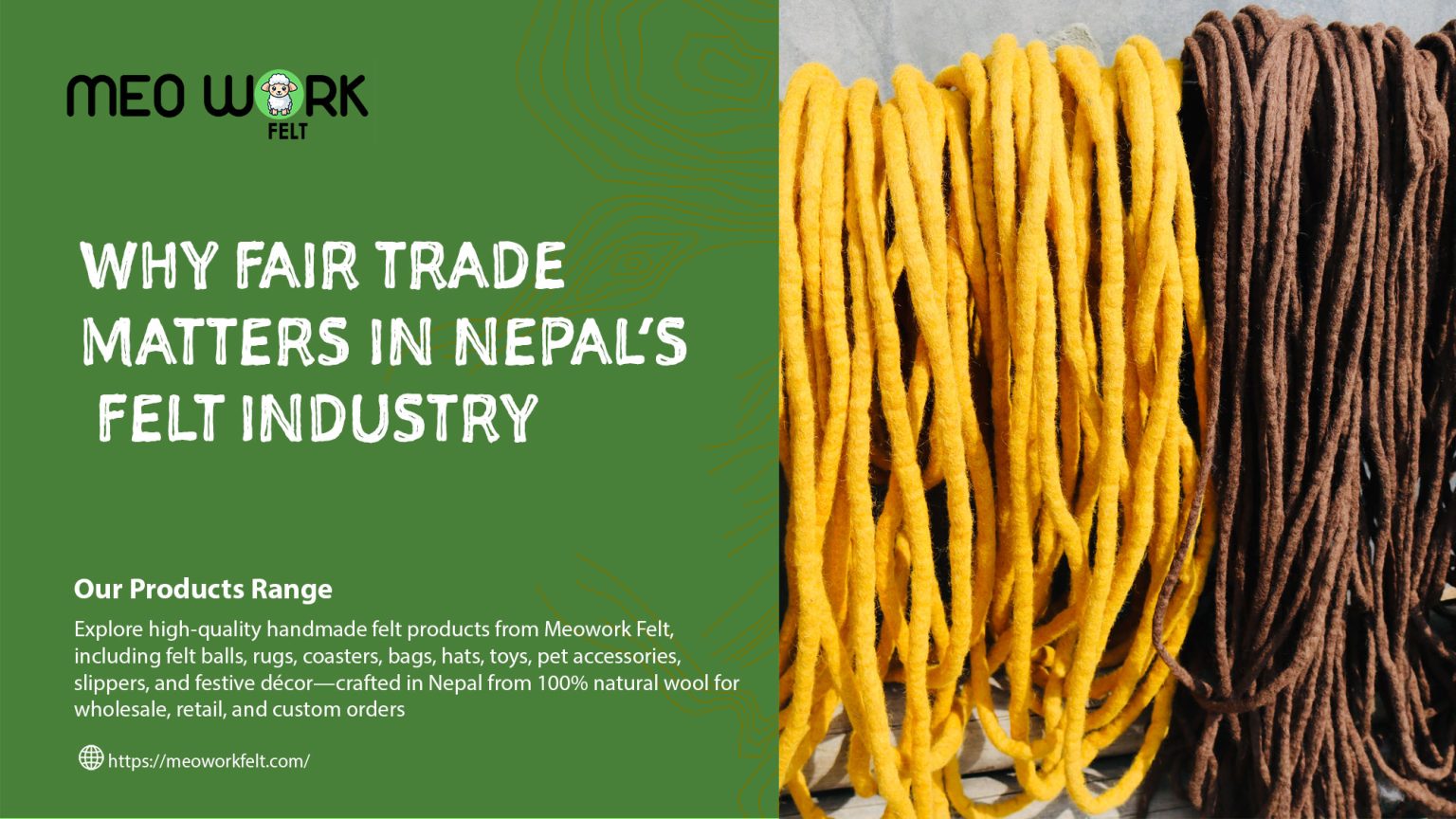
Why Fair Trade Matters in Nepal’s Felt Industry

Nepal’s mountainous landscapes have long been home to traditional crafts, but none more enduring than felt-making. This ancient art has evolved into a thriving industry that supports thousands of families across the country. Yet behind every colorful felt ball, cozy cat cave, and decorative ornament lies a crucial question: are the artisans who create these beautiful products receiving fair compensation for their work?

The answer increasingly depends on Fair Trade practices. As global demand for handmade felt products continues to grow, Fair Trade has become essential for ensuring that Nepal’s skilled artisans—particularly women—can build sustainable livelihoods while preserving their cultural heritage. Companies like Meowork Felt are leading this movement, demonstrating how ethical business practices can transform entire communities.

Understanding why Fair Trade matters in Nepal’s felt industry reveals not just the challenges facing artisans today, but also the remarkable opportunities that ethical manufacturing creates for both makers and consumers worldwide.

What is Fair Trade and Why It Matters

Fair Trade represents a global movement focused on creating better trading conditions and promoting sustainability for disadvantaged producers in developing countries. At its core, Fair Trade ensures that artisans and farmers receive fair wages, work in safe conditions, and have access to opportunities for community development.

The fundamental principles of Fair Trade include fair pricing that covers production costs and provides living wages, safe working conditions free from exploitation, environmental sustainability, and long-term trading relationships that provide stability for producers. These principles also encompass community development through Fair Trade premiums—additional payments that fund local projects like schools, healthcare facilities, and infrastructure improvements.

For artisans in Nepal’s felt industry, Fair Trade practices can increase income by 10-20%, according to Fairtrade International. This significant boost makes the difference between surviving and thriving, allowing families to invest in their children’s education, improve their homes, and build financial security for the future.

The Felt Industry in Nepal: Challenges and Opportunities

Nepal’s felt industry has deep cultural roots, with techniques passed down through generations. Today, it represents a vital source of income for thousands of families, particularly in rural communities where alternative employment opportunities remain limited. The industry produces everything from functional items like trivets and coasters to beloved pet products such as cat caves and toys.

However, artisans in this sector face significant challenges. Many work through intermediaries who take substantial portions of the final sale price, leaving creators with minimal compensation. Seasonal demand fluctuations create income instability, while lack of direct market access prevents artisans from understanding the true value of their work. Additionally, traditional gender roles often limit women’s economic participation, despite their exceptional crafting skills.

Fair Trade practices directly address these challenges by establishing minimum pricing standards that ensure living wages, creating stable, long-term relationships between producers and buyers, and providing market access and business training that empowers artisans to understand and negotiate their worth. Perhaps most importantly, Fair Trade specifically promotes women’s participation and leadership in the industry.

Meowork Felt: A Commitment to Fair Trade

Based in Kathmandu, Meowork Felt exemplifies how Fair Trade principles can be successfully integrated into felt manufacturing. The company specializes in eco-friendly felt products crafted from 100% New Zealand wool, ranging from home décor items and ornaments to their popular line of pet products including felt cat caves and toys.

What sets Meowork Felt apart is their unwavering commitment to ethical manufacturing. Over 70% of their artisans are women, providing them with financial independence and challenging traditional economic barriers. The company maintains ISO 9001:2015 certification and SEDEX membership, demonstrating their commitment to quality standards and ethical practices that exceed industry norms.

Meowork Felt’s Fair Trade initiatives include providing safe, empowering work environments where artisans can develop their skills and advance their careers. They offer fair wages that reflect the true value of handmade craftsmanship, along with stable employment that allows families to plan for the future. The company also supports community development projects funded through Fair Trade premiums, contributing to broader social improvements in the regions where they operate.

These efforts have yielded impressive results. Meowork Felt has experienced a 30% increase in demand for their Fair Trade products over the past year, demonstrating growing consumer awareness and appreciation for ethical manufacturing practices.

The Impact of Fair Trade on Communities

The benefits of Fair Trade extend far beyond individual artisans to transform entire communities. Fair Trade premiums have funded essential community projects including schools and healthcare facilities, according to the World Fair Trade Organization. These investments create ripple effects that benefit multiple generations.

In Nepal’s felt-producing regions, Fair Trade has enabled the construction of clean water systems, educational facilities, and healthcare clinics. These improvements enhance quality of life while creating conditions that allow the felt industry to flourish sustainably.

Women’s empowerment represents one of the most significant impacts. When women like those working with Meowork Felt achieve financial independence, they gain greater decision-making power within their families and communities. Their success inspires other women to pursue economic opportunities, gradually shifting cultural norms around women’s roles in society.

Fair Trade practices also help reduce child labor by up to 80% in certain sectors, according to the International Labour Organization. When families earn living wages, children can attend school instead of working, breaking cycles of poverty and creating more educated, skilled communities.

How Consumers Can Support Fair Trade

Consumers play a crucial role in promoting Fair Trade practices through their purchasing decisions. Supporting companies that prioritize ethical manufacturing sends a clear message that responsible business practices matter.

When shopping for felt products, look for certifications and clear statements about Fair Trade practices. Companies committed to ethical manufacturing, like Meowork Felt, typically provide detailed information about their artisan relationships, working conditions, and community impact initiatives.

Research the brands you purchase from by exploring their websites and social media presence. Ethical companies often share stories about their artisans, highlight community development projects, and maintain transparency about their supply chains. Ask questions about working conditions, wage practices, and environmental policies.

Consider the true cost of products. While Fair Trade items may cost slightly more than mass-produced alternatives, this price difference reflects fair wages for artisans and investments in sustainable practices. The higher price often correlates with superior quality and durability, making Fair Trade products better long-term investments.

Building a Sustainable Future Through Ethical Choices

Fair Trade in Nepal’s felt industry represents more than just ethical business practices—it embodies a pathway to sustainable economic development that honors traditional craftsmanship while creating opportunities for future generations. Companies like Meowork Felt prove that it’s possible to build successful businesses that prioritize both profit and people.

The growing demand for Fair Trade felt products signals a positive shift in consumer consciousness. When we choose ethically made products, we become partners in creating positive change. Every felt cat cave, trivet, or ornament purchased from Fair Trade manufacturers represents a vote for economic justice and sustainable development.

As Nepal’s felt industry continues to evolve, Fair Trade practices will remain essential for ensuring that the artisans who create these beautiful products can build dignified, prosperous lives. By supporting companies committed to ethical manufacturing, consumers can help preserve traditional crafts while empowering communities to thrive.

Ready to make a difference? Explore Meowork Felt’s wide range of Fair Trade felt products and discover how your purchasing choices can support women artisans and sustainable communities in Nepal. Contact them today to learn more about their artisan stories and impact initiatives, or support their mission by choosing Fair Trade for your next felt purchase.

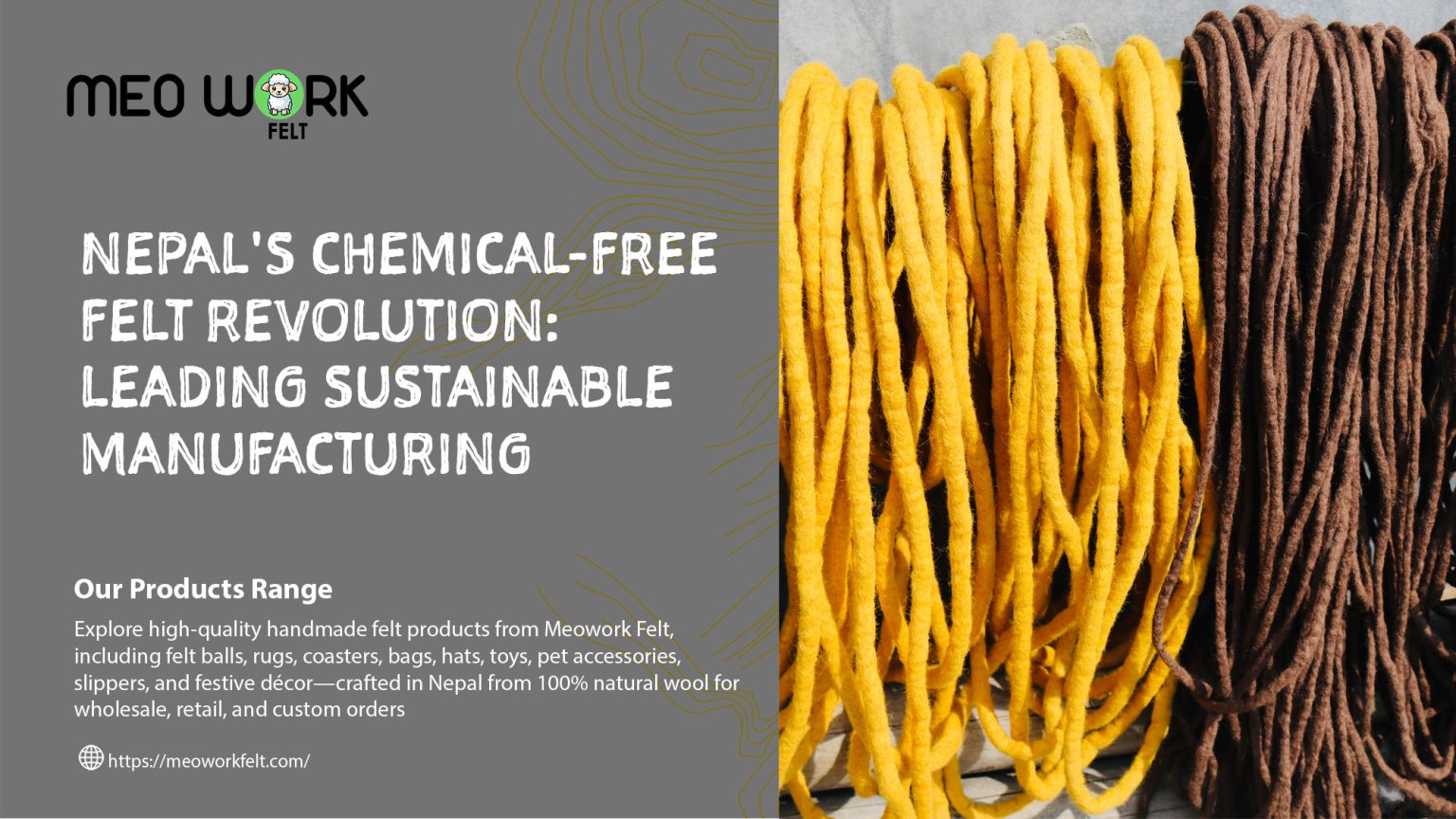
Nepal’s Chemical-Free Felt Revolution: Leading Sustainable Manufacturing

Nepal has quietly emerged as the global champion of chemical-free felt production, transforming an ancient craft into a modern beacon of sustainable manufacturing. While the textile industry grapples with environmental concerns and ethical challenges, this Himalayan nation demonstrates how traditional techniques can meet contemporary demands for eco-friendly products.

The growing consumer awareness around sustainability has created unprecedented demand for chemical-free alternatives to conventional textiles. Nepal’s felt artisans, particularly companies like Meowork Felt, have positioned themselves at the forefront of this movement by combining centuries-old craftsmanship with rigorous environmental standards. Their approach offers a compelling alternative to mass-produced synthetic materials, proving that sustainable manufacturing can deliver both quality and scalability.

What sets Nepal’s chemical-free felt production apart isn’t just the absence of harmful substances—it’s the holistic approach to sustainability that encompasses everything from raw material sourcing to community empowerment. This comprehensive commitment to environmental and social responsibility has established Nepal as the preferred source for businesses and consumers seeking authentic, eco-friendly felt products.

Understanding Chemical-Free Felt Production

Chemical-free felt represents a return to traditional manufacturing methods that rely entirely on natural processes rather than synthetic additives. Unlike conventional felt production, which often involves chemical treatments for color-fastness, fire resistance, or texture enhancement, chemical-free felt manufacturing uses only natural materials and time-tested techniques.

The production process centers around the natural properties of wool fibers, which naturally interlock when exposed to moisture, heat, and agitation. This felting process, known as fulling, requires no chemical binders or synthetic adhesives. The result is a completely natural product that maintains all the beneficial properties of wool while eliminating potential health risks associated with chemical treatments.

Traditional felt-making in Nepal has practiced these chemical-free methods for generations, creating products that are not only environmentally safe but also durable and naturally antimicrobial. The absence of synthetic chemicals means these products can be safely composted at the end of their lifecycle, completing a truly circular manufacturing process.

Nepal’s Pioneering Position in Eco-Friendly Felt Manufacturing

Nepal’s leadership in sustainable felt manufacturing stems from several unique advantages that create an ideal ecosystem for chemical-free production. The country’s high-altitude environment provides naturally pure conditions, while its rich tradition of handicrafts ensures a skilled workforce familiar with traditional techniques.

The availability of pristine water sources from Himalayan glaciers plays a crucial role in the chemical-free process. Clean water is essential for proper felting without the need for chemical additives to compensate for impurities. Additionally, Nepal’s commitment to preserving traditional crafts has helped maintain knowledge of natural dyeing techniques and organic processing methods that might have been lost in more industrialized regions.

Government initiatives supporting eco-friendly manufacturing have also contributed to Nepal’s prominence in this sector. Policies promoting sustainable exports and fair trade practices have created an environment where companies like Meowork Felt can thrive while maintaining their commitment to environmental responsibility.

The Complete Chemical-Free Production Process

Sourcing Premium New Zealand Wool

The foundation of Nepal’s chemical-free felt production begins with carefully selected 100% New Zealand wool. This premium material choice reflects a commitment to quality that extends throughout the entire manufacturing process. New Zealand wool is prized for its natural lanolin content, which provides inherent water resistance and antimicrobial properties without requiring chemical treatments.

The wool undergoes minimal processing to preserve its natural characteristics. Rather than using harsh chemicals for cleaning, artisans employ gentle washing techniques using natural soaps and pure water. This approach maintains the wool’s natural oils and fiber integrity, resulting in felt that retains its beneficial properties while meeting the highest purity standards.

Natural Dyeing Techniques

Color application in chemical-free felt production relies entirely on plant-based dyes and natural pigments. Nepali artisans have perfected techniques using local plants, minerals, and other organic materials to create vibrant, lasting colors. Common natural dyes include madder root for reds, indigo for blues, and turmeric for yellows, each offering unique properties beyond simple coloration.

These natural dyeing processes require considerable skill and patience, as achieving consistent colors without synthetic mordants demands precise temperature control and timing. The result is felt with rich, nuanced colors that develop character over time rather than fading, unlike many chemically-dyed alternatives.

Handmade Craftsmanship Excellence

The handmade approach to felt production ensures that each piece receives individual attention while maintaining the chemical-free integrity of the process. Skilled artisans use traditional tools and techniques passed down through generations, creating products that combine authenticity with modern quality standards.

This artisanal approach allows for precise control over every aspect of production, from fiber density to final finishing. The human touch ensures that potential issues are identified and addressed immediately, maintaining consistent quality without relying on chemical standardization processes common in industrial manufacturing.

Quality Control and Ethical Standards

Meowork Felt’s ISO 9001:2015 certification and SEDEX membership demonstrate how chemical-free production can meet international quality standards. These certifications ensure that every step of the manufacturing process adheres to strict quality control measures while maintaining ethical labor practices.

The quality control process includes thorough inspection of raw materials, monitoring of production techniques, and final product testing to ensure durability and safety. This systematic approach proves that chemical-free manufacturing can consistently deliver products that meet or exceed conventional quality expectations.

Benefits of Chemical-Free Felt Products

Environmental Sustainability

Chemical-free felt production significantly reduces environmental impact compared to conventional textile manufacturing. The absence of synthetic chemicals eliminates toxic runoff that can contaminate water sources, while the use of natural materials ensures complete biodegradability at the product’s end of life.

The production process itself requires less energy than chemical-intensive alternatives, as it relies on natural processes rather than energy-intensive chemical treatments. Additionally, the durability of chemical-free felt means products last longer, reducing replacement frequency and overall environmental impact.

Consumer Health and Safety

Products made from chemical-free felt pose no health risks from synthetic additives or chemical residues. This makes them particularly suitable for items that come into direct contact with skin or for use in children’s products. The natural antimicrobial properties of untreated wool provide inherent hygiene benefits without requiring chemical treatments.

For consumers with chemical sensitivities or allergies, chemical-free felt offers a safe alternative that doesn’t compromise on performance or aesthetics. The natural breathability and moisture-wicking properties of chemical-free felt also contribute to user comfort and product longevity.

Community Empowerment and Fair Trade

Chemical-free felt production in Nepal creates meaningful employment opportunities for local artisans, particularly women in rural communities. Companies like Meowork Felt provide fair wages and safe working conditions, contributing to community development and economic stability.

The skill-intensive nature of chemical-free production means that artisans develop valuable expertise that commands higher wages than typical factory work. This creates sustainable livelihoods that help preserve traditional crafts while supporting modern economic development.

Meowork Felt: Excellence in Sustainable Manufacturing

Meowork Felt exemplifies the potential of chemical-free felt production, combining traditional Nepali craftsmanship with modern business practices to serve global markets. Based in Kathmandu, the company has established itself as a leading manufacturer, wholesaler, and exporter of premium eco-friendly felt products.

The company’s product range demonstrates the versatility of chemical-free felt, from decorative ornaments and stylish bags to practical pet toys and home décor items. Each product showcases the natural beauty and superior performance characteristics that can be achieved without synthetic additives or chemical treatments.

Meowork Felt’s commitment to quality extends beyond environmental considerations to encompass ethical manufacturing practices. The company’s ISO 9001:2015 certification ensures consistent quality standards, while SEDEX membership demonstrates commitment to ethical supply chain management. These credentials provide assurance to global customers seeking reliable suppliers of genuinely sustainable products.

The company’s global reach, serving markets in the USA, Europe, Japan, and Australia, proves that chemical-free manufacturing can compete effectively in international markets while maintaining environmental and ethical standards.

Supporting Local Communities Through Sustainable Manufacturing

The chemical-free felt industry in Nepal creates a ripple effect of positive social impact that extends far beyond environmental benefits. By prioritizing traditional manufacturing methods, companies like Meowork Felt help preserve cultural heritage while creating economic opportunities for local communities.

The industry particularly benefits women artisans, who comprise the majority of the workforce in felt production. These positions offer flexible work arrangements that accommodate family responsibilities while providing stable income and skill development opportunities. The preservation of traditional crafts through commercial application ensures that valuable cultural knowledge passes to new generations.

Fair trade practices embedded in chemical-free felt production create sustainable economic development that strengthens entire communities. Unlike exploitative manufacturing models, this approach builds long-term prosperity by investing in human capital and traditional skills.

Global Market Trends and Future Opportunities

The global demand for sustainable textiles continues to accelerate, driven by increasing consumer awareness and corporate responsibility initiatives. Chemical-free felt products are well-positioned to capture a significant share of this growing market, particularly in premium segments where quality and environmental credentials command premium pricing.

Emerging applications for eco-friendly felt in industries such as automotive, construction, and electronics present new growth opportunities. The natural properties of chemical-free felt, including sound absorption, thermal insulation, and electromagnetic shielding, make it attractive for innovative applications beyond traditional textile uses.

The trend toward circular economy principles also favors chemical-free felt, as its complete biodegradability aligns with corporate sustainability goals and regulatory trends toward extended producer responsibility.

Building a Sustainable Future Through Conscious Choices

Nepal’s leadership in chemical-free felt production demonstrates that sustainable manufacturing is not just environmentally responsible—it’s economically viable and socially beneficial. The success of companies like Meowork Felt proves that consumers don’t need to compromise on quality or aesthetics when choosing eco-friendly alternatives.

The path forward requires continued support from conscious consumers who recognize the value of products that respect both environmental limits and human dignity. By choosing chemical-free felt products, buyers contribute to a manufacturing model that prioritizes long-term sustainability over short-term profits.

The felt industry in Nepal shows how traditional knowledge and modern markets can work together to create positive change. This approach offers a template for sustainable development that other industries and regions can adapt to their own circumstances.

Whether you’re a retailer seeking ethical suppliers, a consumer looking for safe and sustainable products, or a business exploring eco-friendly materials, Nepal’s chemical-free felt industry offers solutions that align environmental responsibility with commercial success. Explore Meowork Felt’s eco-friendly collection to discover how traditional craftsmanship and modern sustainability standards can create products that benefit everyone involved in their creation and use.

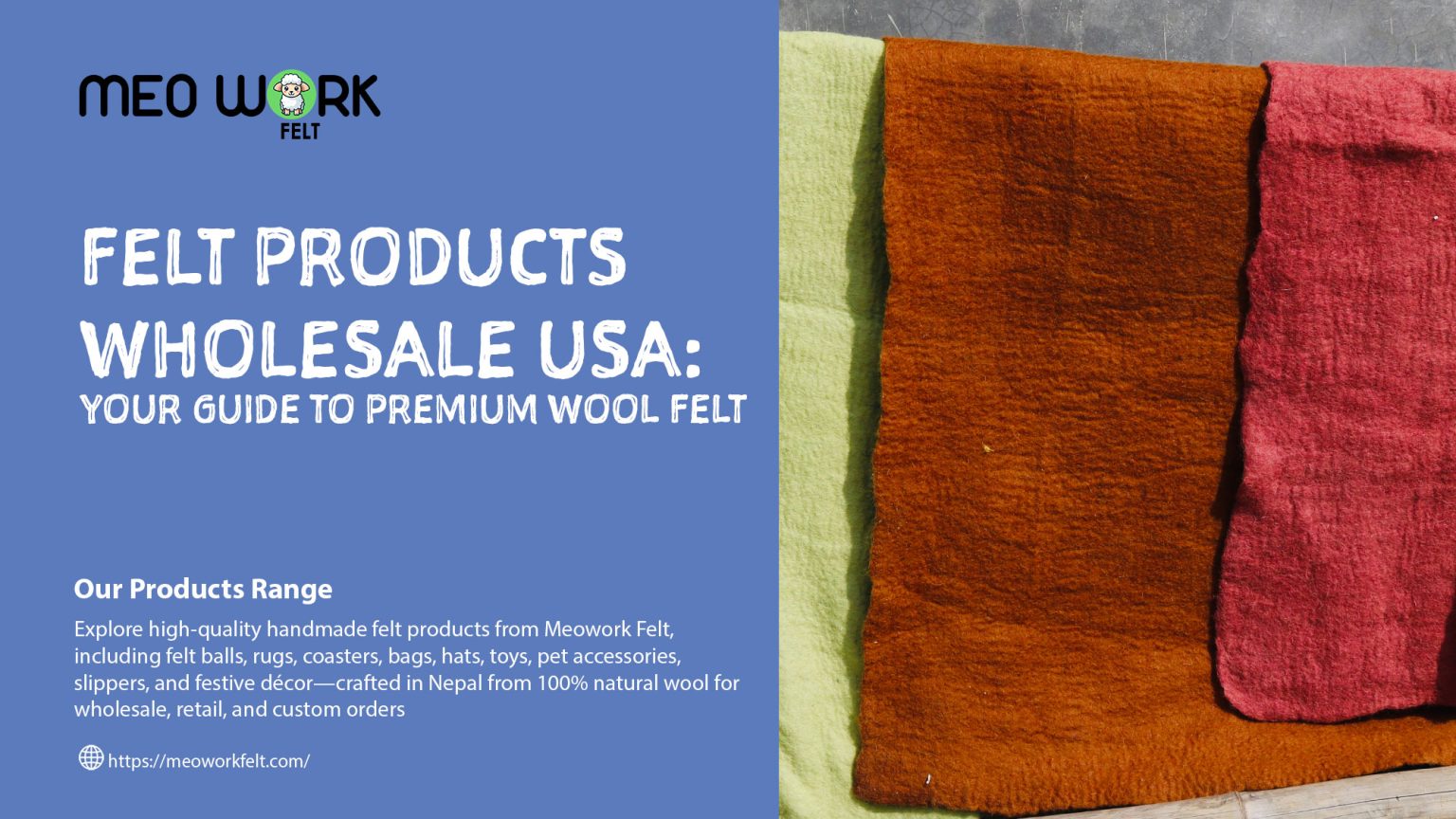
Felt Products Wholesale USA: Your Guide to Premium Wool Felt

The demand for eco-friendly, handmade products continues to grow across the United States. Retailers, craft store owners, and e-commerce entrepreneurs are searching for reliable suppliers who can deliver quality felt products that meet modern consumer expectations for sustainability and ethical production.

Finding the right wholesale partner can be challenging. You need consistent quality, fair pricing, and a supplier who shares your values around ethical manufacturing. You also want products that stand out—unique, handcrafted items that your customers will love.

This guide introduces you to sourcing premium wool felt products wholesale in the USA, with a focus on one of Nepal’s leading manufacturers: Meowork Felt. We’ll explore why wool felt outperforms synthetic alternatives, what makes Meowork Felt a trusted supplier, and how to start sourcing quality felt products for your business.

Why Choose Wool Felt Over Synthetic Alternatives?

When sourcing felt products wholesale in the USA, material quality matters. Wool felt offers distinct advantages over synthetic options that can make a real difference for your business and your customers.

Durability and longevity set wool felt apart. Natural wool fibers interlock tightly during the felting process, creating a dense, sturdy material that holds its shape and withstands regular use. Synthetic felt often pills, thins, or loses its structure over time.

Natural insulation properties make wool felt ideal for products like coasters, trivets, and pet beds. Wool regulates temperature naturally and absorbs moisture without feeling damp—perfect for functional home décor items.

Eco-friendly credentials appeal to environmentally conscious consumers. Wool is renewable, biodegradable, and requires minimal processing compared to petroleum-based synthetic felts. This aligns with the growing consumer preference for sustainable products.

Superior aesthetics give wool felt a premium look and feel. The natural fiber takes dye beautifully, resulting in rich, vibrant colors that don’t fade quickly. The texture is soft yet substantial, conveying quality that customers can see and touch.

For businesses looking to differentiate their product offerings, wool felt provides a competitive edge that synthetic alternatives simply can’t match.

Meowork Felt: A Leading Wholesale Supplier from Nepal

Meowork Felt has established itself as one of Nepal’s largest and most trusted manufacturers of handmade felt products. Based in Kathmandu, the company produces a comprehensive range of eco-friendly felt items crafted from 100% pure New Zealand wool.

With a workforce of over 500 skilled artisans, Meowork Felt operates one of the highest-capacity production facilities in Nepal’s felt industry. Every piece is handmade in a safe, empowering workplace where quality, precision, and creativity converge.

What sets Meowork Felt apart is their commitment to both craftsmanship and modern production systems. They’ve earned ISO 9001:2015 certification, completed SEDEX audits, and achieved Fair Trade status—ensuring products meet global standards for quality and ethical manufacturing.

Their track record speaks for itself. Strong production capacity, consistent quality, and reliable delivery times have earned them long-term partnerships with clients across the USA, Europe, Japan, and Australia.

Extensive Product Range for Every Business Need

Meowork Felt offers an impressive variety of wholesale felt products that cater to different market segments and business needs.

Home décor items form a significant part of their catalog. Felt ball rugs add whimsy and color to any room, while coasters and trivets protect surfaces with style. These functional pieces appeal to customers looking for practical items that don’t compromise on aesthetics.

Pet products represent a growing category. Felt cat caves provide cozy, eco-friendly hideaways that cats naturally gravitate toward. The durability of wool felt means these products withstand scratching and regular use while maintaining their shape. Cat toys round out the pet product line with safe, engaging options.

Seasonal ornaments allow retailers to capitalize on holiday demand. Felt Christmas ornaments feature intricate designs that showcase traditional Nepalese craftsmanship. These unique decorations stand out from mass-produced alternatives and command premium pricing.

Accessories and bags offer practical options for everyday use. Felt tote bags combine durability with style, perfect for eco-conscious consumers. The natural properties of wool felt make these bags both functional and fashionable.

Customizable felt sheets and balls provide the building blocks for DIY enthusiasts and craft businesses. Available in bulk quantities and multiple colors, these materials support creative projects and resale opportunities.

This diverse product range means you can source multiple item categories from a single reliable supplier, streamlining your procurement process and building a cohesive product line.

Ethical Production and Sustainability at the Core

For many businesses sourcing felt products wholesale in the USA, ethical production isn’t just a preference—it’s a requirement. Customers increasingly want to know the story behind their purchases, and Meowork Felt delivers transparency you can share with confidence.

Fair wages and safe working conditions define Meowork Felt’s approach to employment. Their 500+ artisans work in an environment that prioritizes safety, dignity, and empowerment. Fair Trade certification validates their commitment to ethical labor practices.

Environmental responsibility guides their production process. Using 100% pure New Zealand wool—a renewable, biodegradable resource—minimizes environmental impact. Their manufacturing methods avoid harsh chemicals, keeping both workers and the planet safe.

Supporting local communities creates positive ripple effects beyond the factory floor. By providing stable employment and fair compensation in Nepal, Meowork Felt contributes to economic development in the region. This social impact adds meaningful value to every product.

Transparency and accountability come through third-party verification. SEDEX audits examine labor standards, health and safety, business ethics, and environmental practices. ISO 9001:2015 certification ensures consistent quality management systems.

When you source from Meowork Felt, you’re not just buying products—you’re partnering with a company that takes responsibility for its impact seriously. This gives you compelling stories to share with your customers and strengthens your brand’s values.

Quality Assurance and Global Certifications

Quality consistency matters when you’re ordering felt products wholesale in the USA. Meowork Felt’s certification portfolio demonstrates their commitment to maintaining high standards across every aspect of their operation.

ISO 9001:2015 certification validates their quality management system. This international standard ensures systematic processes for maintaining product quality, from raw material selection through final inspection. It means you can expect consistent results across orders.

SEDEX membership provides social and ethical assurance. The Supplier Ethical Data Exchange audit covers labor standards, working conditions, business practices, and environmental impact. This third-party verification offers peace of mind about the conditions under which your products are made.

Fair Trade compliance guarantees ethical treatment of workers and sustainable practices. This certification resonates with consumers who prioritize social responsibility in their purchasing decisions.

Material quality control starts with sourcing 100% pure New Zealand wool. This premium raw material provides the foundation for durable, beautiful finished products. Rigorous inspection processes catch any inconsistencies before products ship.

These certifications aren’t just badges—they represent systematic approaches to quality and ethics that translate into reliable products for your business.

Customization Options for Your Brand

Standing out in competitive markets requires products that reflect your unique brand identity. Meowork Felt offers customization capabilities that let you create distinctive felt products tailored to your specifications.

Custom designs and patterns allow you to develop exclusive products. Whether you want specific color combinations, unique patterns, or branded elements, their design team can bring your vision to life. This exclusivity helps differentiate your product line from competitors.

Size variations accommodate different market needs and price points. From small coasters to large rugs, you can specify dimensions that work for your target customers and margin requirements.

Color customization gives you control over aesthetics. Select from their extensive color palette or request custom shades to match your brand colors or seasonal trends. The natural wool takes dye exceptionally well, producing rich, lasting colors.

Private labeling options strengthen your brand presence. Add your tags, packaging, and branding elements to create a cohesive brand experience. This is particularly valuable for retailers building their own product lines.

Bulk order flexibility supports both testing new products and scaling successful ones. Start with smaller quantities to gauge market response, then increase volume as demand grows. Their production capacity can accommodate orders of various sizes.

Customization transforms standard felt products into signature items that build brand recognition and customer loyalty.

Real Results from Satisfied Wholesale Customers

Businesses across the USA have found success partnering with Meowork Felt for their wholesale felt product needs. Their experiences highlight the practical benefits of choosing a reliable, quality-focused supplier.

Small boutique retailers appreciate the unique product offerings. One California-based home décor store owner shared: “The felt ball rugs from Meowork have become one of our best-selling items. Customers love the handmade quality and the story behind them. We’ve reordered three times this year.”

E-commerce entrepreneurs value the consistent quality for their online stores. An Etsy seller specializing in pet products noted: “The felt cat caves arrive exactly as described every time. That consistency is crucial when you’re selling online and can’t physically show customers the product. My return rate is practically zero.”

Event planners rely on Meowork Felt for seasonal decoration needs. A wedding decorator from New York explained: “We use their felt ornaments for rustic-themed events. The craftsmanship is evident, and clients always comment on how unique and beautiful they are. Having a reliable supplier who can handle bulk orders with consistent quality is invaluable.”

These testimonials reflect common themes: quality consistency, unique handmade appeal, reliable delivery, and responsive customer service. These factors contribute directly to business success and customer satisfaction.

How to Start Ordering Wholesale Felt Products

Getting started with Meowork Felt is straightforward. Their streamlined ordering process accommodates both first-time customers and established wholesale buyers.

Browse the catalog at meoworkfelt.com to explore their full product range. You’ll find detailed photos and specifications for felt balls, rugs, ornaments, pet products, coasters, trivets, and more. This helps you identify products that align with your market needs.

Request a quote for the items you’re interested in. Provide details about quantities, customization requirements, and any specific needs. Their sales team responds promptly with pricing information and production timelines.

Discuss customization if you want branded or custom-designed products. Share your vision, specifications, and any design files. Their team will work with you to refine the details and ensure the final product meets your expectations.

Place your order once you’ve finalized product selections and pricing. Meowork Felt will provide an order confirmation with production timeline and shipping details. Their capacity to handle bulk orders means you can scale your inventory efficiently.

Track delivery to your USA location. Shipping times and options vary based on order size and destination. Their experience shipping to US customers means they understand logistics and can recommend the most efficient delivery methods.

Build an ongoing relationship as you reorder and expand your product line. Long-term partnerships benefit from improved communication, better understanding of your needs, and potentially favorable terms for consistent ordering.

The process is designed to be simple and transparent, removing common obstacles that complicate wholesale sourcing.

Partner with a Trusted Wholesale Felt Supplier

Sourcing felt products wholesale in the USA requires finding a supplier who delivers on multiple fronts: quality, ethics, reliability, and value. Meowork Felt brings together all these elements through their commitment to traditional craftsmanship, modern production systems, and ethical business practices.

Their extensive product range means you can source diverse items from a single trusted partner. Certifications and third-party audits provide assurance about quality and ethical standards. Customization options let you create distinctive products that strengthen your brand identity.

Most importantly, partnering with Meowork Felt connects your business to a story worth sharing. When customers ask about your products, you can tell them about skilled Nepalese artisans creating beautiful items by hand, using sustainable materials and ethical practices. That story adds value beyond the physical product.

Ready to explore how Meowork Felt can enhance your product offerings? Visit meoworkfelt.com to browse their catalog, or contact their team directly to discuss your wholesale needs. Whether you’re launching a new product line or expanding an existing one, quality wool felt products from Nepal could be exactly what your business needs.